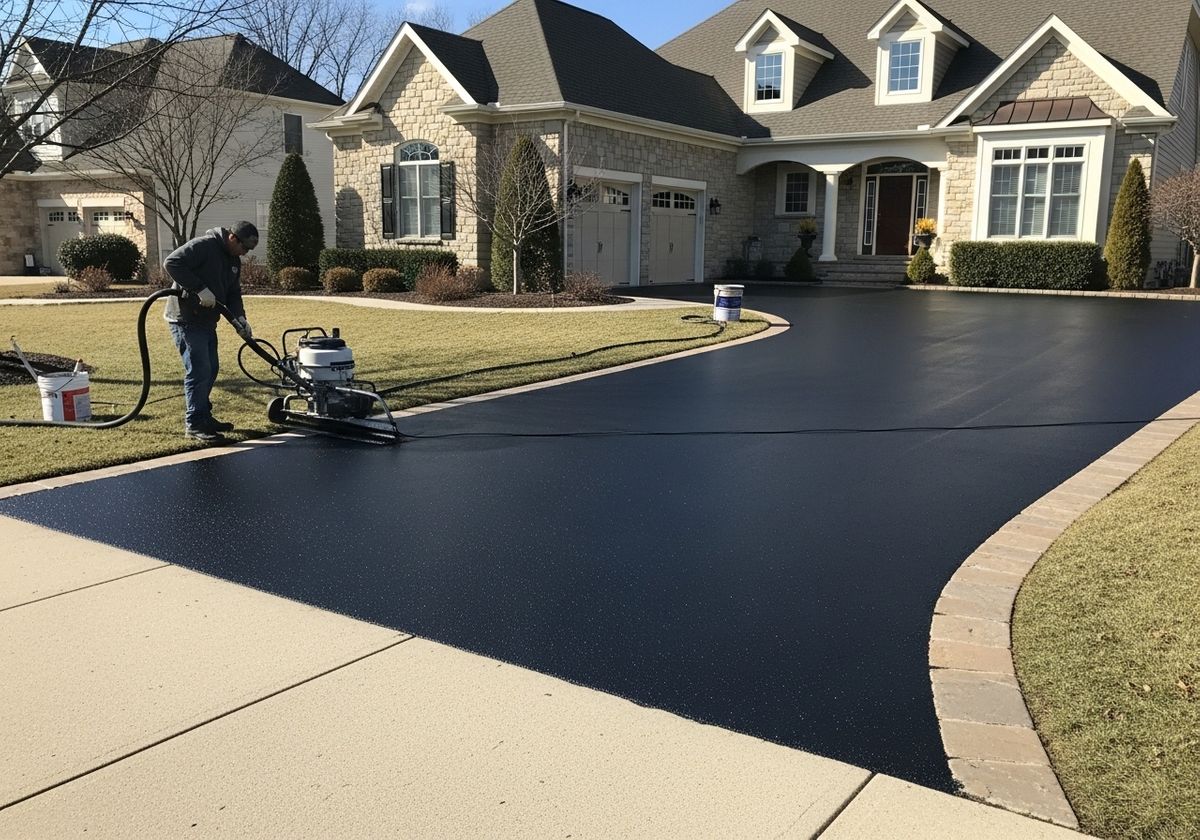
Maintaining your asphalt driveway is crucial for its longevity and appearance. One of the most effective ways to protect it is through sealcoating. But how often should you sealcoat your asphalt driveway?
Factors Influencing Sealcoating Frequency
Several factors determine how frequently you should sealcoat your driveway:
Climate: Harsh weather conditions, such as extreme temperatures, heavy rain, and snow, can accelerate the deterioration of asphalt. In regions with severe winters or hot summers, more frequent sealcoating may be necessary.
Traffic: The amount of traffic your driveway experiences also plays a role. Driveways with heavy daily use will likely require more frequent sealcoating than those with minimal traffic.
Quality of Installation: The initial quality of your asphalt installation and previous sealcoating jobs can affect how long the sealcoat lasts. Proper installation and quality materials contribute to longer-lasting protection.
Type of Sealcoat: There are various types of sealcoats available, including oil-based sealcoating. Each type has a different lifespan and level of protection. Understanding the properties of your chosen sealcoat is essential for determining the appropriate maintenance schedule.
General Guidelines for Sealcoating Frequency
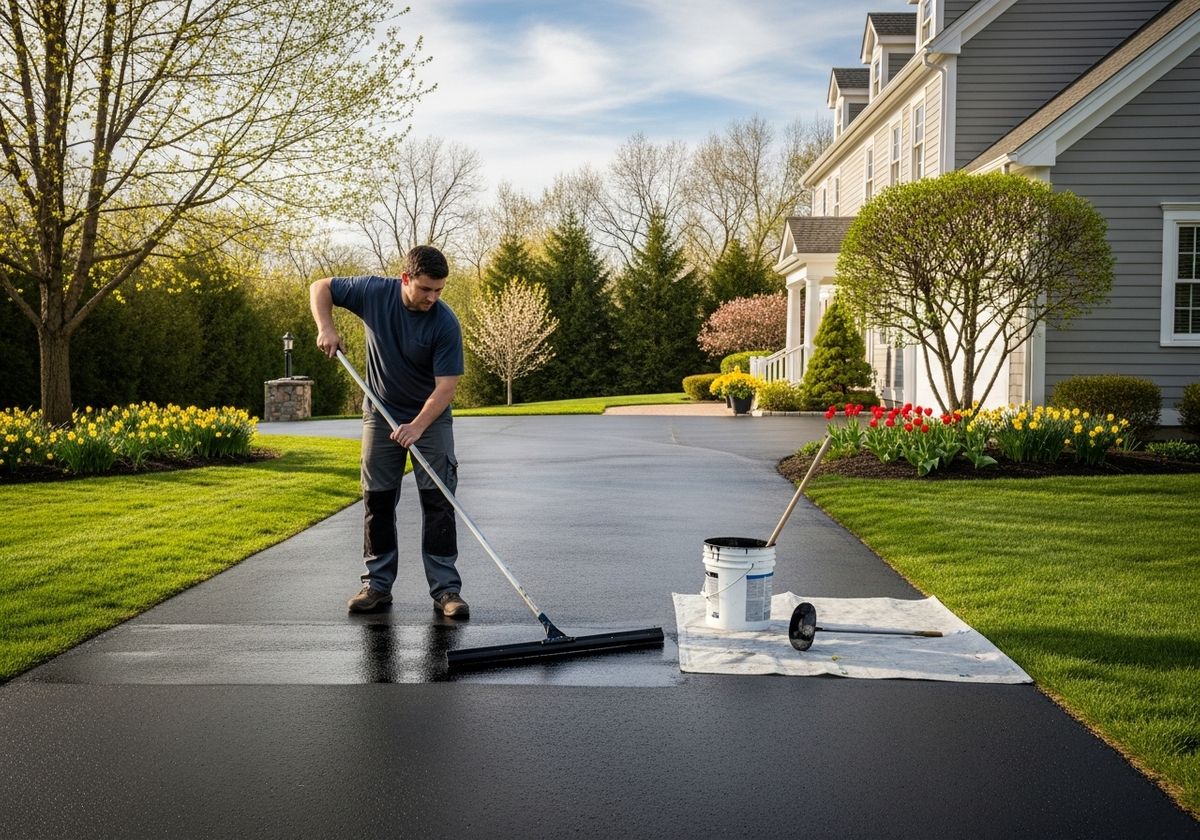
As a general rule, it's recommended to sealcoat your asphalt driveway every two to three years. However, this can vary based on the factors mentioned above. Here's a more detailed guideline:
New Asphalt: It's best to wait six to twelve months after the initial asphalt installation before applying the first sealcoat. This allows the asphalt to cure properly.
Regular Maintenance: For driveways in moderate climates with average traffic, sealcoating every two to three years is usually sufficient.
High-Traffic or Harsh Climates: If your driveway experiences heavy traffic or is located in an area with extreme weather conditions, you may need to sealcoat every one to two years.
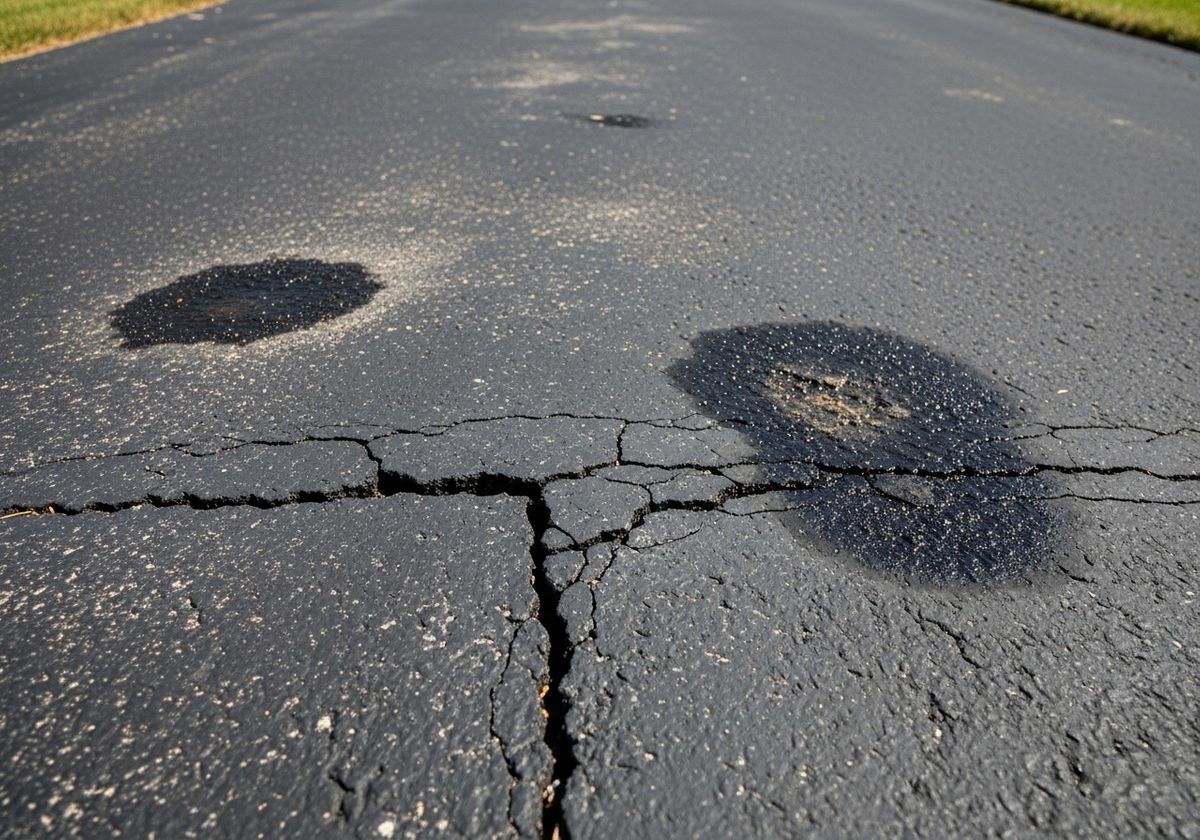
Signs That Your Driveway Needs Sealcoating
Keep an eye out for these signs that indicate your driveway needs sealcoating:
Fading Color: Asphalt that was once black starts to turn gray, indicating sun damage and oxidation.
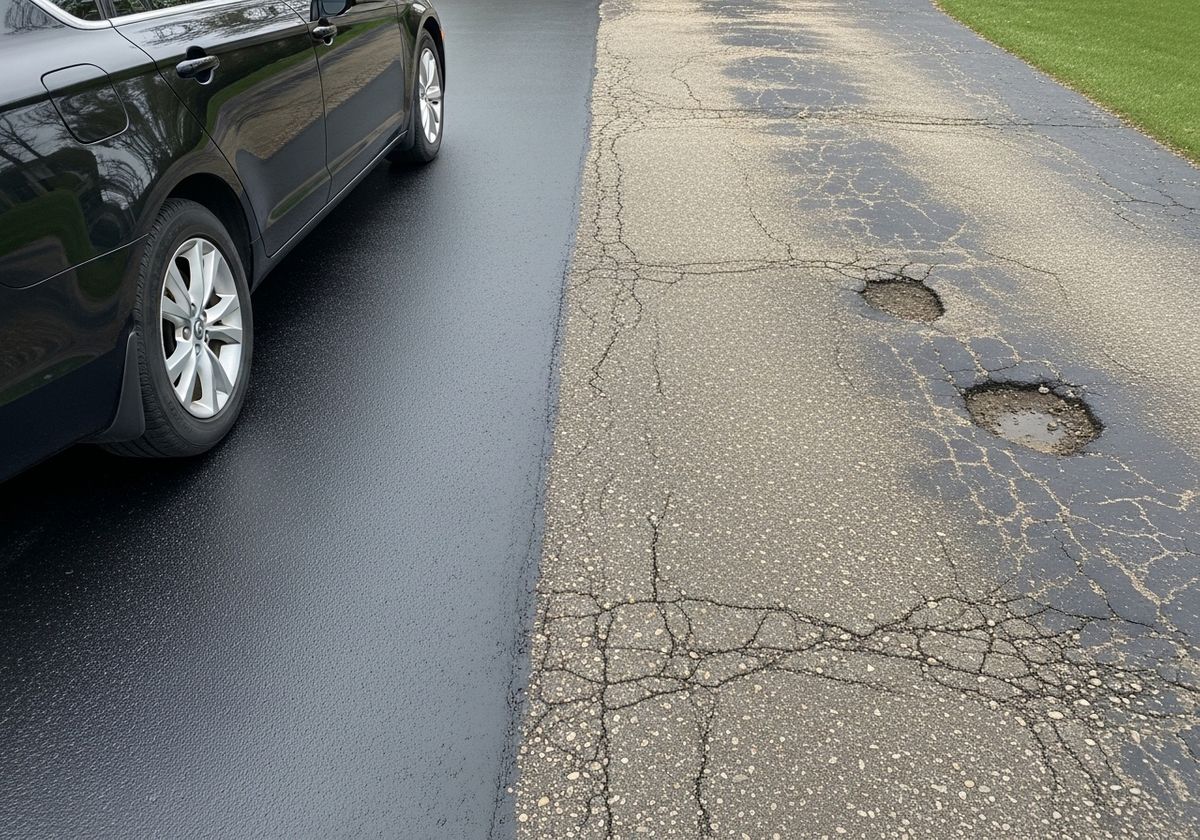
Cracks: Noticeable cracks, especially those wider than 1/8 inch, can allow water to penetrate the asphalt and cause further damage. Driveway crack repair should be addressed promptly.
Crumbling: Asphalt begins to crumble and break apart. This can be a sign of significant deterioration.
Oil or Gas Spills: These spills can dissolve the asphalt binder, leading to softening and damage.
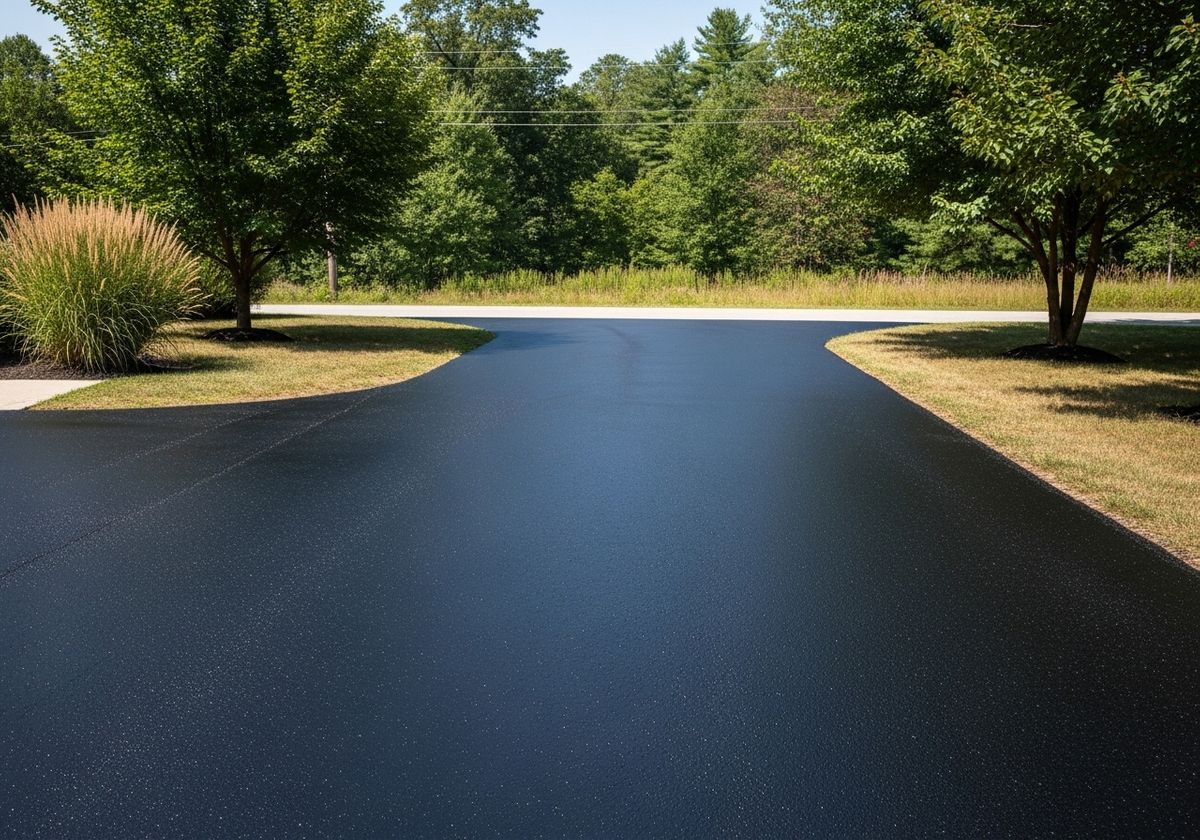
The Benefits of Regular Asphalt Maintenance and Sealcoating
Regular asphalt maintenance and sealcoating offer numerous benefits:
Protection: Sealcoating acts as a protective barrier against water, oil, gas, UV rays, and other damaging elements.
Prevention: Sealcoating helps prevent cracks, potholes, and other forms of deterioration.
Appearance: A fresh sealcoat enhances the appearance of your driveway, making it look new and well-maintained.
Cost Savings: Regular asphalt maintenance can extend the life of your driveway and prevent costly repairs or replacements.
Determining the right sealcoating frequency for your asphalt driveway involves considering various factors such as climate, traffic, and the type of sealcoat used. By following the recommended guidelines and watching for signs of deterioration, you can ensure your driveway remains in excellent condition for years to come. Regular asphalt maintenance and sealcoating are investments that pay off in the long run, preventing costly repairs and maintaining your property's curb appeal.
For expert asphalt maintenance and sealcoating services, contact A1 Sealcoating today for solutions tailored to your specific needs. Don't wait until it's too late – preserve your investment with A1 Sealcoating. If you have any questions or would like to schedule a consultation, give us a call or visit our website!